The most-performed weight loss surgery in the Mid-South, led by a surgeon who has done over 12,000 bariatric procedures.
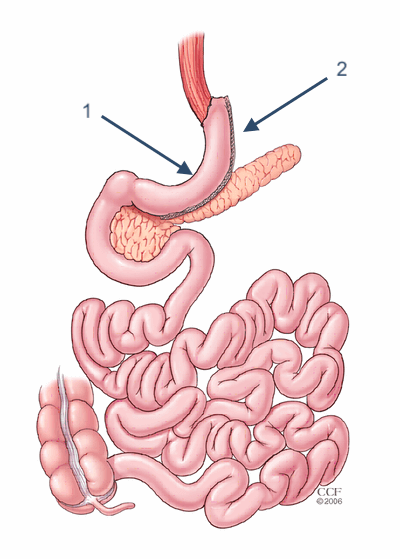
Sleeve gastrectomy is a laparoscopic or robotic surgery that removes about 80% of the stomach, leaving a smaller, banana-shaped sleeve. The result is reduced food capacity, a significant drop in hunger hormones, and durable long-term weight loss for most patients. At Midsouth Bariatrics, Dr. George Woodman has performed this procedure thousands of times in Memphis since the FDA approved it as a stand-alone bariatric surgery.
If you’re researching this procedure, you’ve likely already tried diets, medications, or both. The information below is meant to give you a clear, honest picture of what sleeve gastrectomy does, who it works for, and what to expect from surgery through long-term recovery.
What is Sleeve Gastrectomy?
Sleeve gastrectomy, also called vertical sleeve gastrectomy or VSG, is a restrictive bariatric surgery. Approximately 80% of the stomach is removed, leaving a long, tube-shaped pouch about the size of a banana.

Unlike gastric bypass, sleeve gastrectomy does not involve cutting or rerouting the small intestine. There is no anastomosis (no new connection between stomach and intestine). The pylorus, the valve at the bottom of the stomach, stays in place. This preserves normal digestion downstream of the stomach.
The procedure is performed laparoscopically or robotically through small incisions in the abdomen. Most patients spend one night in the hospital and return home the following day.
How does sleeve gastrectomy cause weight loss?
The procedure works through two distinct mechanisms:
Restriction. The smaller stomach holds far less food. Patients feel full quickly and stay satisfied longer.
Hormonal changes. The portion of the stomach removed is the primary site of ghrelin production, the hormone that signals hunger. After surgery, ghrelin levels drop substantially, which reduces appetite and food cravings.
This combination is why sleeve gastrectomy produces results that diet and exercise alone usually cannot match. The hormonal effect is what most patients describe as “no longer thinking about food constantly.”
Who qualifies for sleeve gastrectomy?
Most insurance carriers and the American Society for Metabolic and Bariatric Surgery (ASMBS) use these general qualifying criteria:

- BMI of 40 or higher, or roughly 100 pounds over ideal body weight
- BMI of 35 or higher with obesity-related health conditions such as type 2 diabetes, high blood pressure, sleep apnea, fatty liver disease, or severe joint pain
- BMI of 30 to 34 in select cases, particularly with uncontrolled type 2 diabetes
You also need to be physically prepared for surgery, willing to commit to permanent lifestyle changes, and free from active substance abuse or untreated psychiatric conditions that would interfere with recovery.
If you’re not sure where your BMI falls or whether you qualify, the team at Midsouth Bariatrics can review your situation in a consultation. Some patients qualify under self-pay options even when insurance criteria don’t apply.
What happens during the procedure?
Sleeve gastrectomy at Midsouth Bariatrics is performed under general anesthesia. The procedure typically takes one to two hours.

Step by step:
- The surgeon makes several small incisions in the abdomen for laparoscopic or robotic instruments.
- The stomach is freed from surrounding tissues and organs.
- A surgical stapler divides the stomach vertically, removing approximately 80% of it. The staplers also seal the new edge with titanium staples.
- The removed portion of the stomach is taken out through one of the small incisions.
- The incisions are closed.
After surgery, patients recover in a monitoring area for about an hour, then are admitted to a surgical floor for one overnight stay. Most patients are discharged the next morning.
Dr. Woodman performs many of these procedures using the da Vinci robotic surgical system, which provides enhanced visualization and precision compared to standard laparoscopy. Robotic assistance is particularly useful for patients with complex anatomy or higher BMI.
What weight loss can I expect after sleeve gastrectomy?
Most patients lose 60% to 70% of their excess body weight within 12 to 18 months after surgery. Some patients lose more, some less. Individual results vary, and long-term success depends heavily on whether the patient adopts the recommended diet and activity changes.

Typical timeline:
- First 3 months: Rapid weight loss, often 30 to 40 pounds. Diet is liquid, then pureed, then soft foods.
- 3 to 6 months: Continued steady weight loss as solid foods are gradually reintroduced.
- 6 to 12 months: Weight loss continues at a slower, steadier pace.
- 12 to 18 months: Most patients reach their lowest weight in this window.
- After 18 months: Maintenance phase. Some weight regain is common but manageable with consistent habits.
Beyond the weight loss itself, sleeve gastrectomy often improves or resolves obesity-related conditions including type 2 diabetes, high blood pressure, high cholesterol, sleep apnea, and joint pain. Many patients reduce or eliminate medications they had been taking for years.
Individual results vary based on starting weight, age, overall health, and adherence to post-operative guidelines. Discuss realistic expectations with Dr. Woodman during your consultation.
What does recovery look like?
Recovery from sleeve gastrectomy is shorter than gastric bypass and most other bariatric procedures.

Time off work: Most patients return to desk-based work in 1 to 2 weeks. Physical labor jobs may require 3 to 4 weeks.
Diet progression:
- Weeks 1 to 2: Clear liquids, then full liquids
- Weeks 3 to 4: Pureed foods
- Weeks 5 to 6: Soft foods
- Week 7 onward: Regular textures, with portion sizes still significantly smaller than before surgery
Activity: Walking begins the day of surgery. Light exercise resumes within 2 weeks. Heavy lifting and strenuous activity restricted for 4 to 6 weeks.
Long-term: Daily vitamin and mineral supplementation, regular blood work, and routine follow-up appointments are required for life. This is non-negotiable for safe long-term outcomes.
What are the risks of sleeve gastrectomy?
Like any surgery, sleeve gastrectomy carries risks. The procedure has a strong safety record at accredited centers, but every patient should understand the possible complications:
- Bleeding at the staple line
- Leak from the staple line (rare but serious)
- Blood clots in the legs or lungs
- Stricture or narrowing of the new sleeve
- Acid reflux or worsening of existing GERD
- Vitamin and mineral deficiencies without consistent supplementation
The overall complication rate at MBSAQIP-accredited Centers of Excellence (such as Midsouth Bariatrics) is comparable to or lower than common procedures like gallbladder removal or hip replacement. Mortality is rare, well under 0.5%.
Dr. Woodman will review your specific risk profile based on your medical history, BMI, and any comorbid conditions during your consultation.
When does sleeve gastrectomy not work?
Honest answer: when patients don’t follow the program.
The most common reasons for poor results or weight regain:
- Grazing on small amounts of food throughout the day, which defeats the restriction
- Drinking calories through sodas, juices, alcohol, or sweetened coffee drinks
- Returning to processed foods and refined carbohydrates as the main diet
- Skipping follow-up appointments and vitamin supplementation
- Lack of physical activity in long-term maintenance
Sleeve gastrectomy is a tool, not a cure. The procedure gives patients a physical advantage that makes weight loss possible, but the patient still has to do the work.
A small percentage of patients have inadequate weight loss even with good adherence. In those cases, conversion to gastric bypass or duodenal switch may be considered. Dr. Woodman will discuss revision options if they become relevant.
Why choose Dr. Woodman for sleeve gastrectomy in Memphis?
Surgical experience matters more in bariatric procedures than most patients realize. Outcomes data consistently shows that surgeons with high case volumes have lower complication rates and better long-term results.

What sets Midsouth Bariatrics apart:
- Over 12,000 bariatric procedures performed by Dr. Woodman, one of the most experienced bariatric surgeons in the United States
- MBSAQIP Diamond-Level Metabolic and Bariatric Center of Excellence, the highest accreditation in the field
- SRC-Accredited Master Surgeon in Metabolic and Bariatric Surgery, a designation held by relatively few surgeons nationwide
- Director of the Centers of Excellence at both Baptist Memphis and Methodist Germantown
- 28+ years in private practice dedicated to bariatric surgery
- Two locations for Mid-South patients: Memphis and Jackson, TN
- Comprehensive support including pre-op education, surgery, post-op follow-up, support groups, and long-term nutritional and behavioral guidance

Patients travel to Midsouth Bariatrics from Memphis, Germantown, Collierville, Jackson, North Mississippi, East Arkansas, and West Tennessee for the combination of surgical expertise and long-term program support.
How much does sleeve gastrectomy cost in Memphis?
Cost varies significantly depending on insurance coverage and individual factors.
With insurance: Most major insurance carriers cover sleeve gastrectomy when medical criteria are met. Out-of-pocket costs depend on your plan’s deductible, copays, and coinsurance.
Self-pay: Midsouth Bariatrics offers competitive self-pay pricing for patients without coverage or whose plans exclude bariatric surgery. Financing is available through CareCredit and other partners.
The financing page has full details on payment options and what’s typically included in self-pay pricing.
How do I get started?
The process at Midsouth Bariatrics is designed to move you efficiently through evaluation, education, and surgery.

Step 1: Attend a free informational seminar. This is the standard first step and covers the full range of bariatric surgery options, qualifying criteria, and what to expect from the program. The seminar can be watched online at any time.
Step 2: Schedule a consultation. After the seminar, call (901) 869-2000 or contact the office to schedule your initial visit with Dr. Woodman.
Step 3: Insurance verification and medical workup. The office will verify your benefits and coordinate any required pre-op testing, nutritional counseling, and psychological evaluation.
Step 4: Surgery. Once cleared, surgery is typically scheduled within a few weeks.
Step 5: Long-term follow-up. Post-op appointments, support group sessions, and ongoing nutritional guidance continue indefinitely.
Frequently asked questions about sleeve gastrectomy
How long does the surgery take?
The procedure itself takes one to two hours. Including pre-op preparation, anesthesia, and recovery room time, plan on roughly four to six hours at the hospital before being moved to your overnight room.
Is the procedure reversible?
No. Because approximately 80% of the stomach is permanently removed, sleeve gastrectomy cannot be reversed. It can be converted to gastric bypass or duodenal switch in cases of inadequate weight loss or severe reflux, but the original anatomy cannot be restored.
Will I have a lot of loose skin after losing weight?
Significant weight loss often results in excess skin, particularly on the abdomen, arms, and thighs. The amount depends on age, genetics, starting weight, and how quickly weight is lost. Some patients pursue body contouring surgery 12 to 18 months after their lowest weight is reached. This is a separate procedure from bariatric surgery.
Can I have sleeve gastrectomy if I’ve had previous abdominal surgery?
Usually yes, though prior surgeries may add complexity. Dr. Woodman has performed sleeve gastrectomy on patients with extensive surgical histories. The decision is made during your consultation based on imaging and your specific anatomy.
How is sleeve gastrectomy different from gastric bypass?
Sleeve gastrectomy only involves the stomach. Gastric bypass involves both the stomach and the small intestine, with rerouting that creates malabsorption. Sleeve has fewer long-term complications related to malabsorption (no dumping syndrome, lower risk of marginal ulcers and internal hernias) but may not produce quite as much weight loss in some patients. The right choice depends on your specific health profile.
Can sleeve gastrectomy be done as outpatient surgery?
Most patients stay one night in the hospital. Outpatient sleeve gastrectomy is performed in some centers but is not standard at Midsouth Bariatrics. The overnight stay allows for monitoring of vital signs, pain control, and any early complications.
What if I regain weight years after surgery?
Some weight regain is common 2 to 5 years out, especially without consistent follow-up. Most regain can be managed with renewed attention to diet, activity, and habits. Dr. Woodman’s program includes long-term support to help patients address regain. In severe cases, revision surgery is an option but is considered only after non-surgical approaches have been tried.
Ready to take the next step?
If you’ve read this far, sleeve gastrectomy is something you’re seriously considering. The next step is straightforward.
Call (901) 869-2000 to schedule a consultation, or watch the free online seminar to learn more about the full bariatric program at Midsouth Bariatrics.
Two locations serve Mid-South patients:
- Memphis: 6029 Walnut Grove Rd., Suite 100, Memphis, TN 38120
- Jackson: Jackson Clinic North, 2863 US-45 Bypass, Jackson, TN 38305
Individual results vary. Sleeve gastrectomy is a major surgery requiring lifelong dietary and lifestyle changes. Consult with Dr. Woodman or a qualified bariatric professional to determine whether this procedure is right for your specific medical situation.